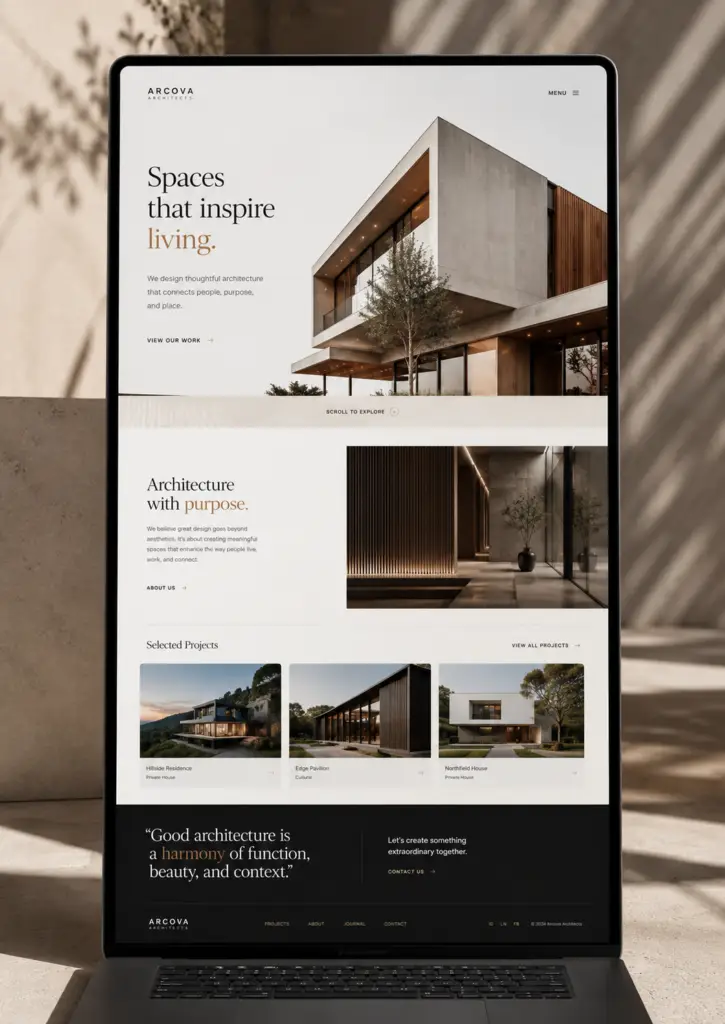


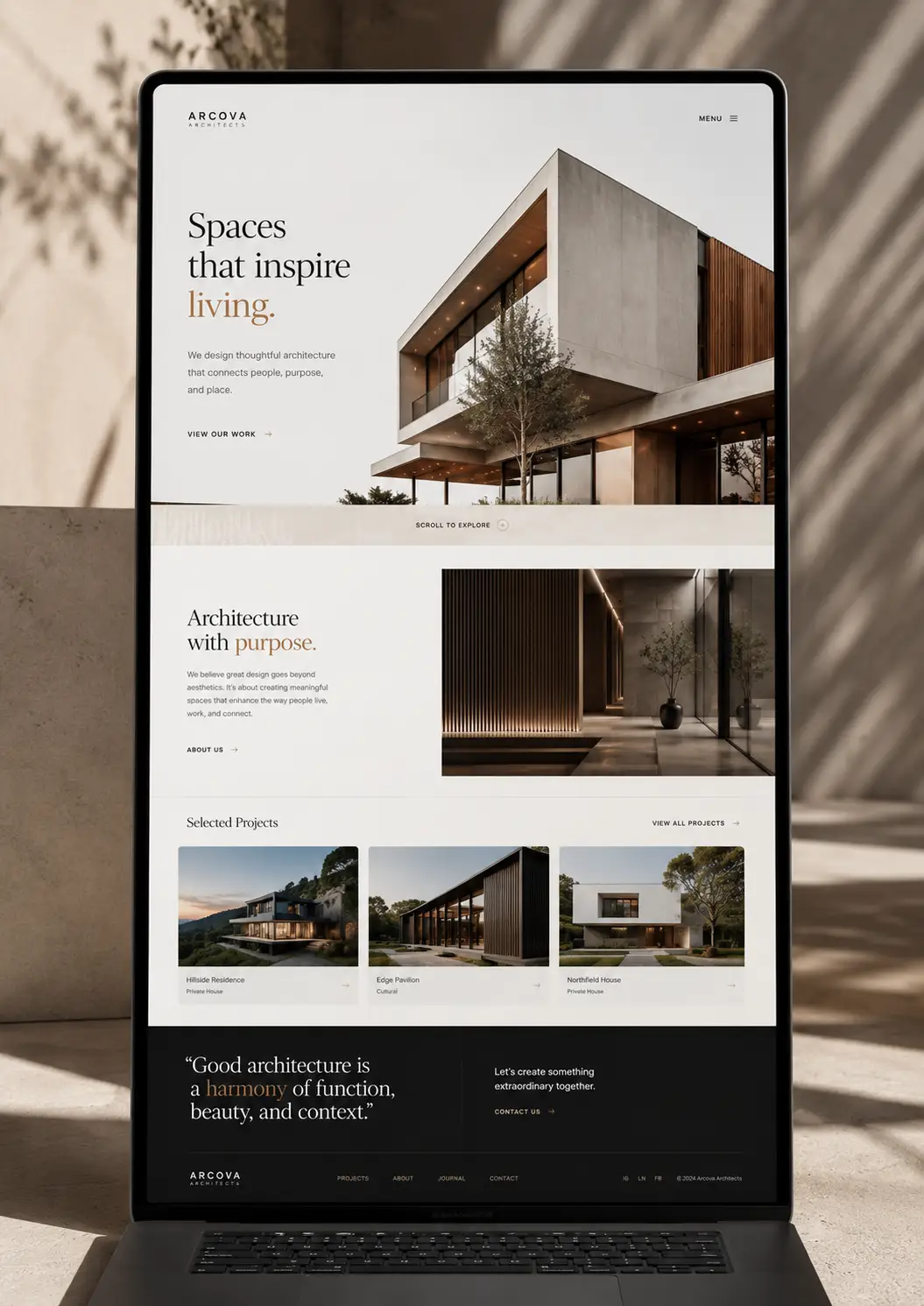

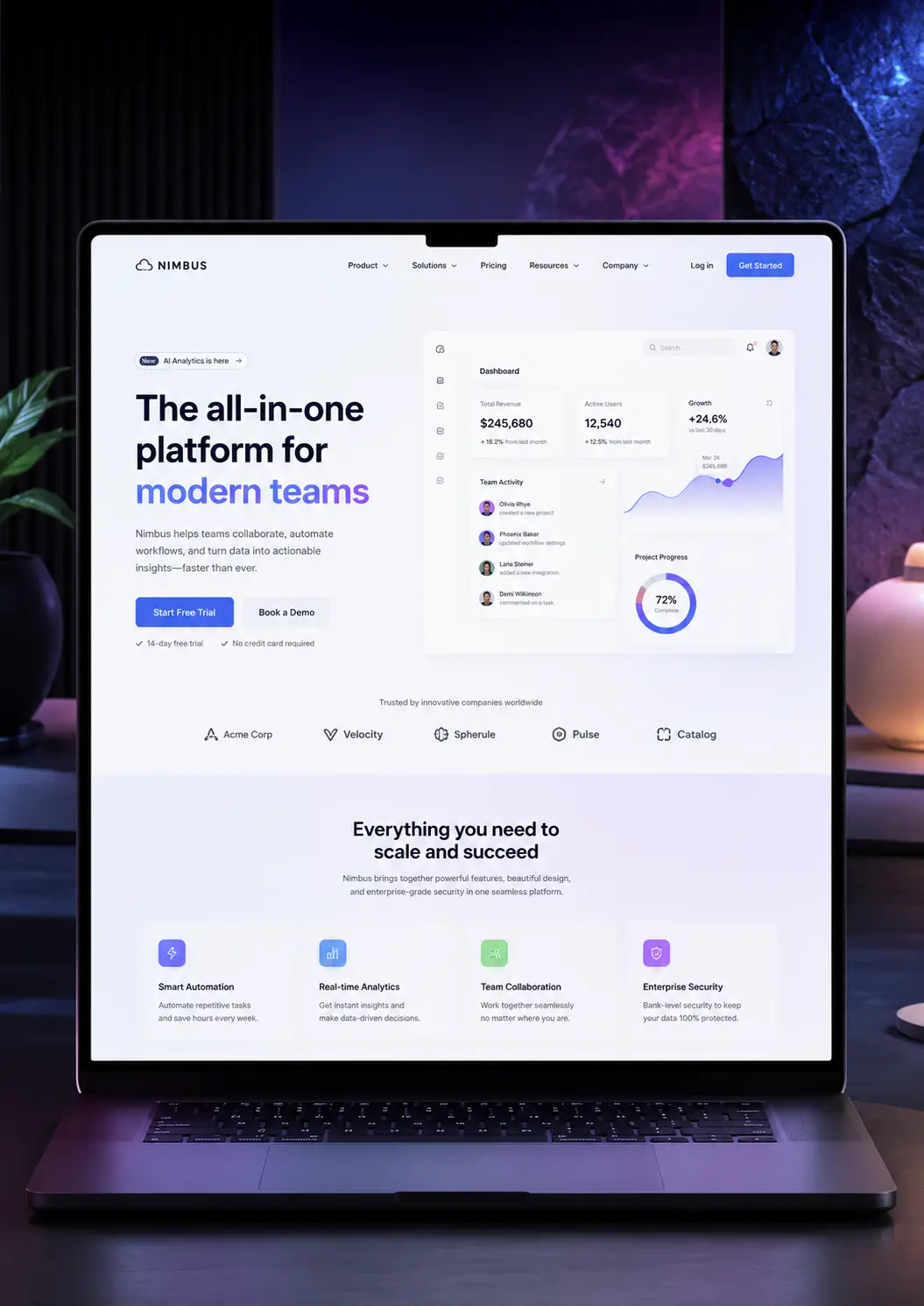

Artificial intelligence has transformed the creative industry faster than many people expected. Today, AI-powered tools can generate images, create logos, suggest colour palettes, produce illustrations, remove backgrounds, edit photographs, and even generate complete website layouts in seconds.
This has led to an important question for businesses, entrepreneurs, and designers alike:
Will AI replace graphic designers?
The short answer is no—not entirely.
AI is changing how design work is done, but it is not eliminating the need for skilled designers. Instead, the design industry is moving toward a new model where technology and human creativity work together.
In 2026, the most successful designers will not necessarily be the ones who avoid AI. They will be the ones who understand how to use AI strategically while bringing something machines still struggle to replicate: human understanding, creativity, empathy, judgment, and strategic thinking.
At Wilfy Designs, we believe great design is about more than making something look attractive. It is about understanding a brand, its audience, its goals, and the emotions it wants to create.
Let’s explore the future of design.
What Is AI-Powered Design?
AI-powered design refers to the use of artificial intelligence to assist with creative and visual tasks.
Modern AI tools can help designers:
- Generate visual concepts
- Create images and illustrations
- Remove backgrounds
- Upscale images
- Generate colour combinations
- Suggest typography
- Create design variations
- Generate website layouts
- Produce animations
- Edit photographs
- Create marketing materials
- Automate repetitive tasks
For businesses, this can make the creative process faster and sometimes more affordable.
However, speed is not the same as strategy.
A tool may be able to generate an attractive image, but it does not automatically understand your business, your customers, your competitors, or your long-term brand positioning.
That distinction is important.
What AI Does Well
AI is incredibly useful when used as a creative assistant.
1. AI Can Speed Up the Creative Process
One of the biggest advantages of AI is speed.
A designer can use AI to explore multiple visual directions in a short amount of time. Instead of spending hours manually experimenting with every possibility, AI can help generate starting points that a designer can evaluate and refine.
This allows designers to spend more time on higher-level creative decisions.
2. AI Is Excellent at Repetitive Tasks
Many design tasks are repetitive.
For example:
- Removing image backgrounds
- Resizing graphics
- Creating multiple variations
- Generating mockups
- Adjusting image dimensions
- Organising visual assets
AI can automate some of these processes, allowing designers to focus on more meaningful creative work.
3. AI Helps Generate Ideas
Sometimes the hardest part of a project is knowing where to begin.
AI can help designers brainstorm:
- Visual concepts
- Campaign ideas
- Moodboards
- Colour combinations
- Creative directions
- Content concepts
However, the designer still needs to decide which ideas are appropriate for the brand.
What Human Designers Still Do Better
This is where the difference between AI-generated design and professional design becomes clear.
1. Humans Understand Context
Imagine that you ask an AI to create a logo for a Ghanaian financial technology company.
The AI may generate a visually attractive logo.
But does it understand:
- The company’s target market?
- The local culture?
- The competitive landscape?
- The company’s long-term goals?
- How the logo will appear on mobile apps?
- How it will work on billboards?
- How customers should emotionally perceive the company?
A professional designer considers these questions.
Design is not simply about creating an attractive visual.
It is about creating the right visual for the right audience and the right purpose.
2. Humans Understand Brand Strategy
A logo is only one part of a brand.
A strong brand identity involves:
- Logo design
- Colour systems
- Typography
- Photography
- Illustration
- Layout
- Brand voice
- Visual consistency
- Customer experience
This is why businesses often need more than a logo.
They need a complete and coherent identity.
At Wilfy Designs, the goal is to create visual identities that help businesses communicate who they are and what they stand for.
3. Humans Understand Emotion
Great design creates a reaction.
It can make a business appear:
- Trustworthy
- Premium
- Innovative
- Friendly
- Professional
- Bold
- Approachable
AI can generate visual patterns based on existing data, but human designers bring empathy and emotional understanding into the creative process.
That human connection remains incredibly important.
AI Will Change the Designer’s Job
The biggest change may not be that designers disappear.
Instead, the designer’s role will evolve.
In the past, a designer might spend a large portion of their time executing tasks manually.
In the future, designers may spend more time:
- Developing creative strategies
- Directing AI tools
- Evaluating AI-generated concepts
- Refining visual systems
- Understanding customer behaviour
- Designing experiences
- Building brand consistency
In other words, the designer becomes less of a production operator and more of a creative strategist and director.
AI-Generated Design vs Professional Design
There is an important difference between generating an image and solving a design problem.
Suppose you ask AI:
“Create a luxury logo for a real estate company.”
You may receive something attractive.
But a professional design process asks much deeper questions:
- Who is the target customer?
- Is the company targeting luxury buyers or mass-market customers?
- What makes the company different?
- What should the brand communicate?
- Where will the logo be used?
- How should the identity scale?
- What competitors already dominate the market?
The final design should emerge from those answers.
That is the difference between decoration and design.
Will AI Replace Graphic Designers?
AI will probably replace some design tasks.
It may also reduce the need for certain types of low-level production work.
But businesses will continue to need professionals who can:
- Think strategically
- Understand audiences
- Solve communication problems
- Build brand systems
- Design user experiences
- Create consistent visual identities
- Make creative decisions
The future is therefore less likely to be:
AI vs Designers
and more likely to be:
Designers using AI vs Designers who don’t.
The Future of Design Is Human + AI
The most powerful combination is likely to be human creativity supported by artificial intelligence.
AI can provide:
Speed + Automation + Exploration
Humans provide:
Strategy + Empathy + Judgment + Creativity + Context
Together, these capabilities can produce better outcomes than either one alone.
At Wilfy Designs, we see technology as a tool—not a replacement for creative thinking.
Whether you need a new visual identity, a website, a mobile app experience, or a complete digital product, the goal should always be to create something that serves a real purpose.
Explore our Web Design & Development services or discover more about our UX/UI Design services to see how thoughtful design can transform a digital experience.
You can also explore our Portfolio to see examples of creative work.
Frequently Asked Questions
Will AI replace graphic designers in 2026?
AI is unlikely to completely replace professional graphic designers. However, it is changing the tools and workflows designers use. Designers who combine creative expertise with AI capabilities are likely to have an advantage.
Is AI-generated design good enough for a business?
AI-generated designs can be useful for inspiration and experimentation. However, businesses that want a consistent, strategic, and distinctive brand identity usually benefit from working with professional designers.
Should graphic designers learn AI?
Yes. Understanding AI tools can help designers work more efficiently, explore ideas faster, and automate repetitive tasks.
Is AI better than human designers?
AI and human designers have different strengths. AI is excellent at speed and automation, while human designers are better at understanding context, strategy, emotion, and complex creative decisions.
Final Thoughts
AI is not the end of graphic design.
It is the beginning of a new era.
The designers who thrive in the future will be those who combine technology with creativity, strategy, and human understanding.
The real question is not whether AI will replace designers.
The better question is:
How can designers use AI to become better at what they do?
At Wilfy Designs, we believe the best design combines technology with human creativity to create meaningful experiences and memorable brands.
Ready to create something remarkable?
Start a Project with Wilfy Designs and let’s bring your vision to life.