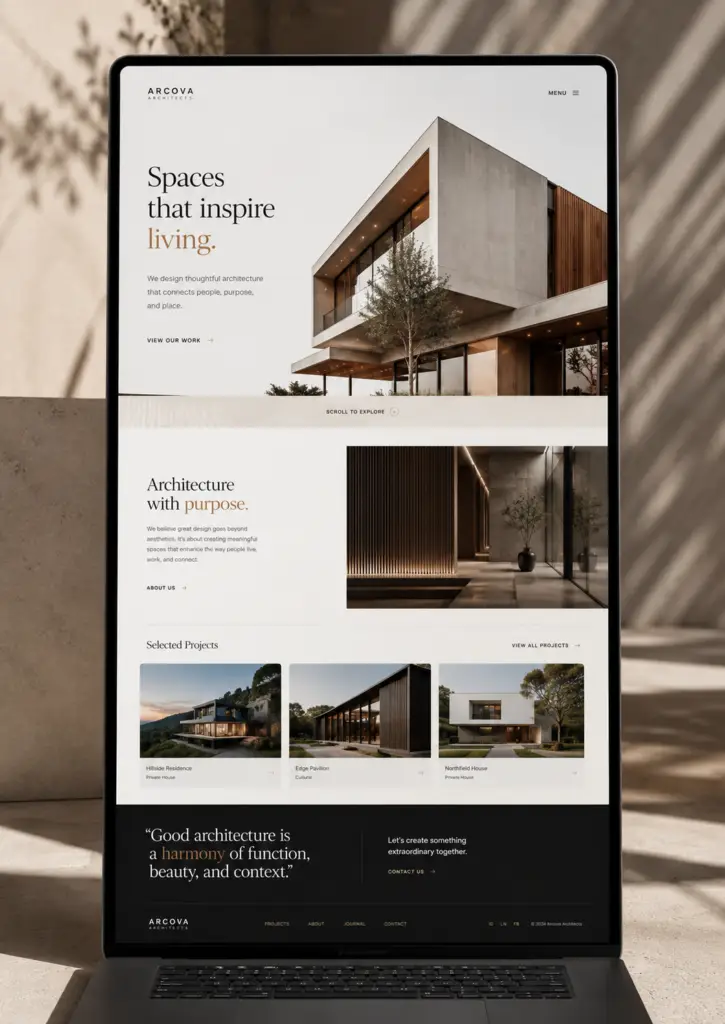




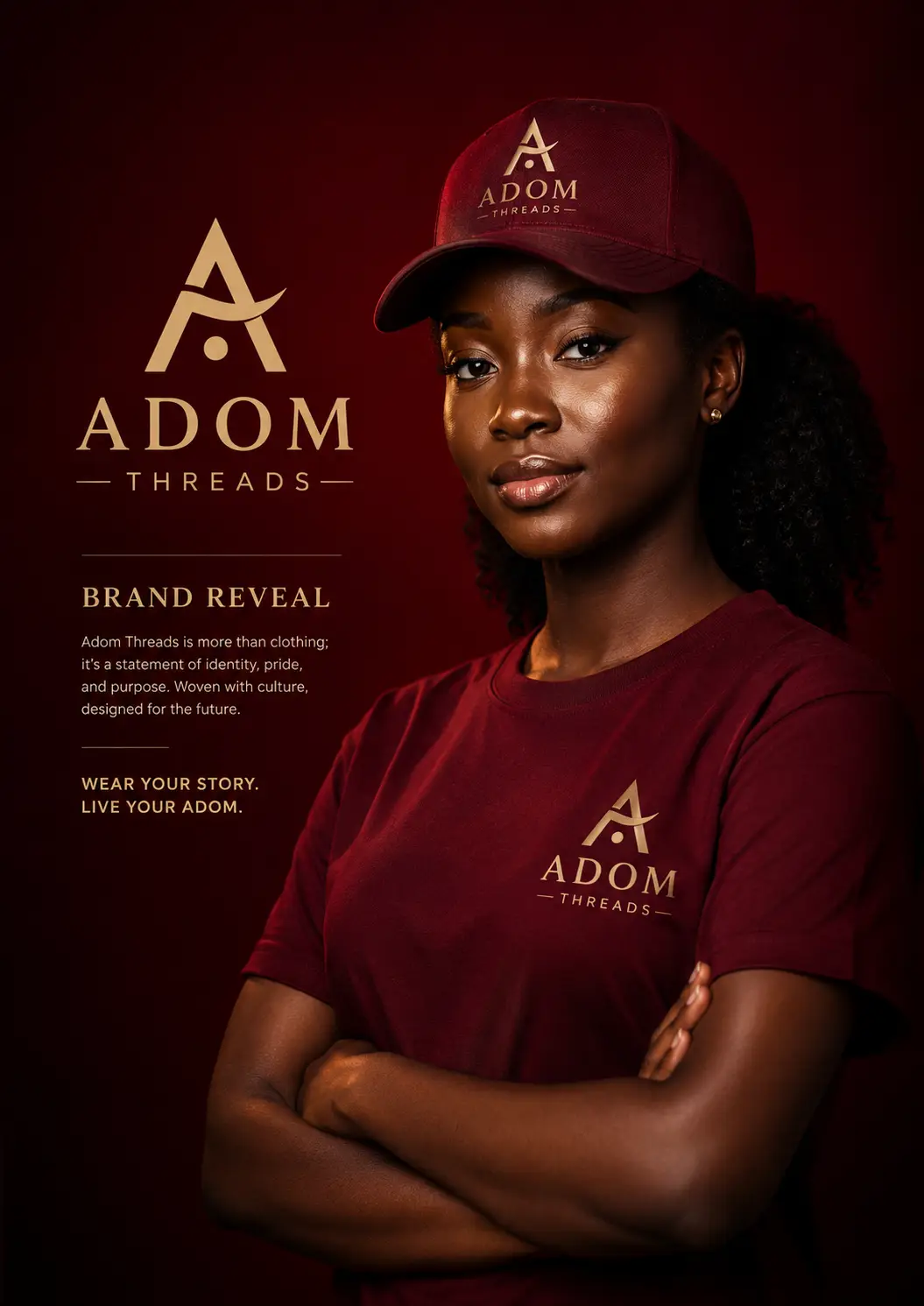


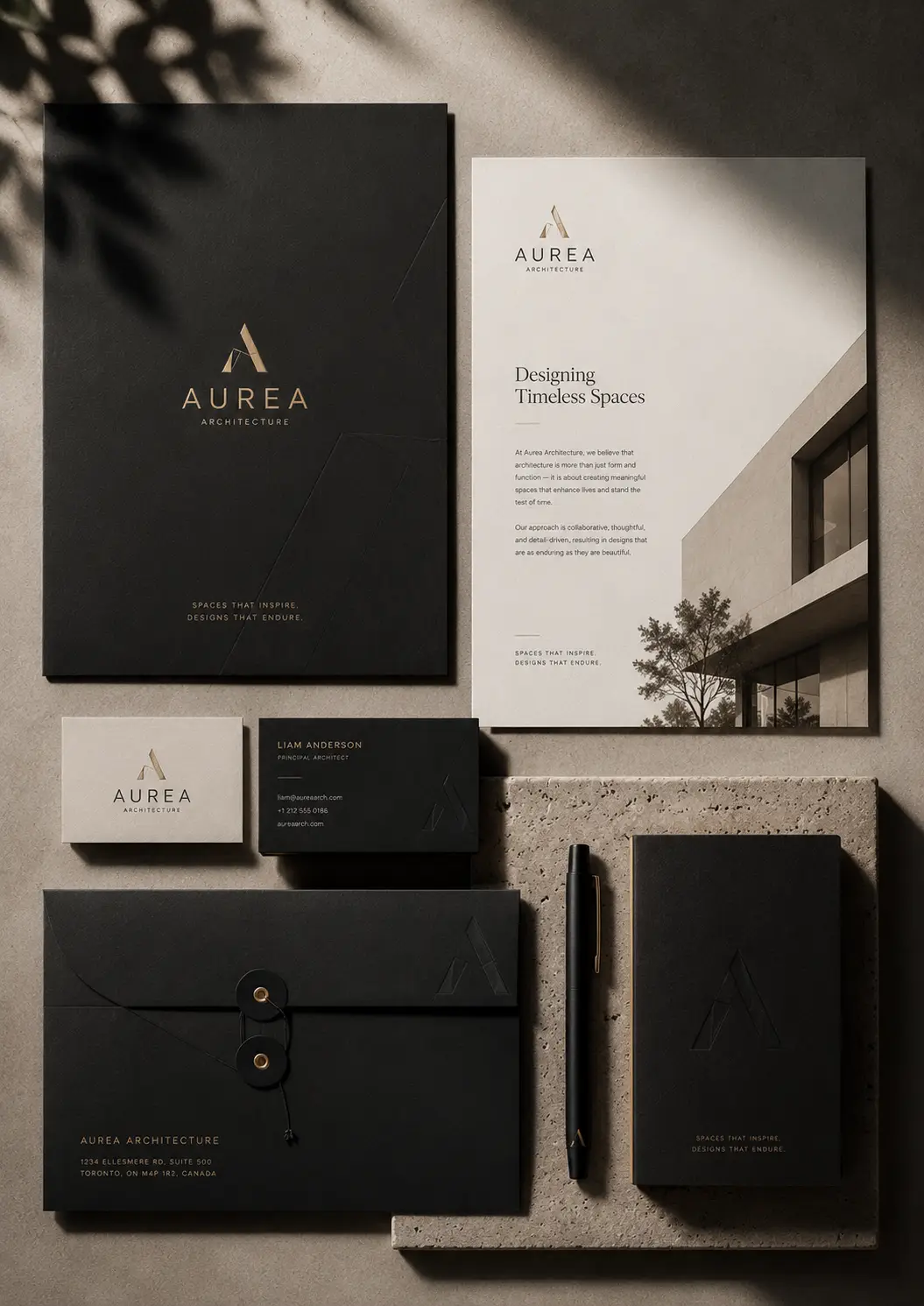

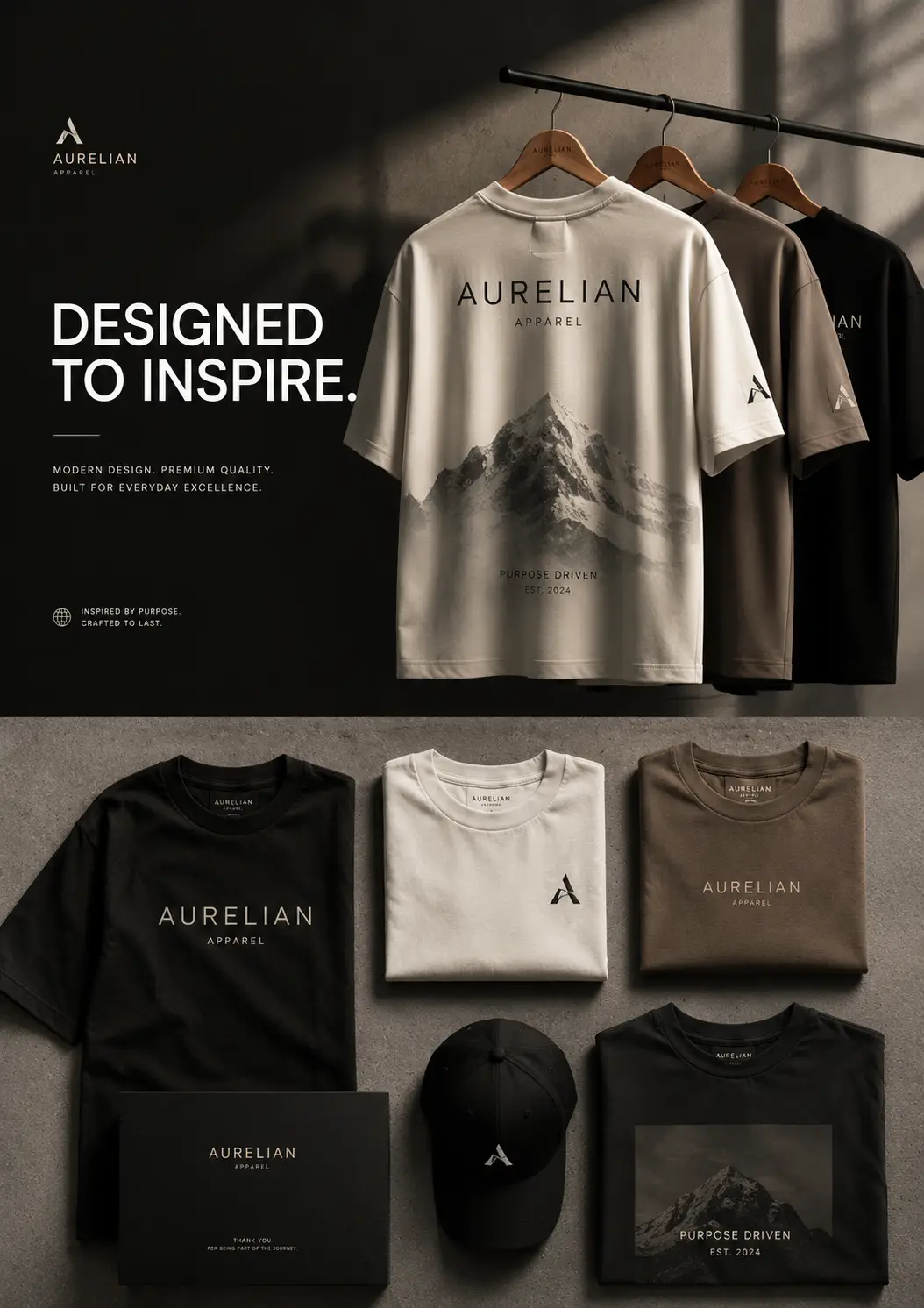
What comes to mind when you think about some of the world’s most recognisable brands?
You probably don’t think only about their logos.
You think about their colours.
Their typography.
Their advertisements.
Their packaging.
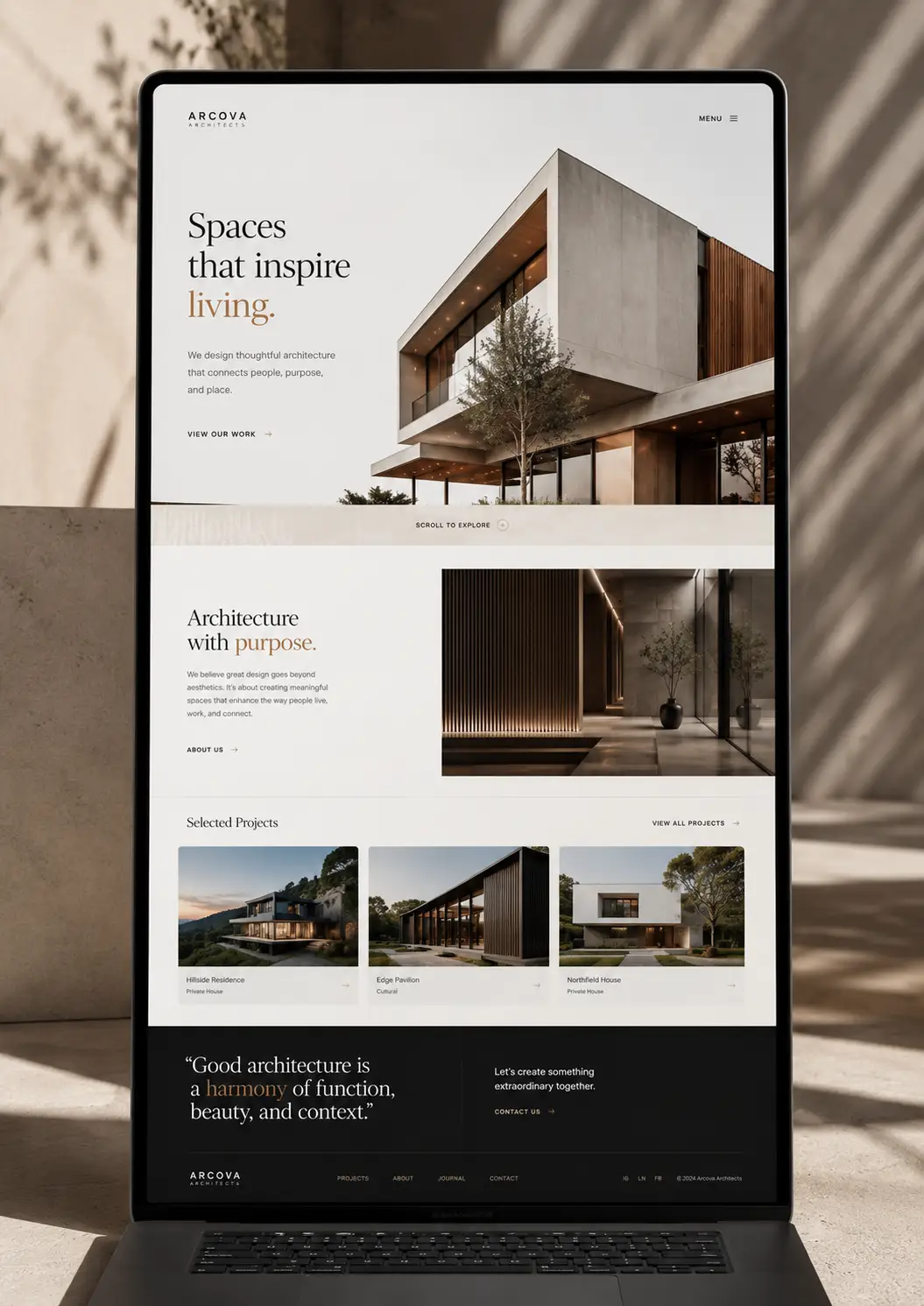
Their websites.
Their social media presence.
You may even recognise them without seeing their names.
That is the power of a strong brand identity.
A brand identity is the visual and verbal system that communicates who your business is, what you stand for, and how you want customers to perceive you.
Whether you are launching a new business or repositioning an existing one, investing in your brand identity can help you stand out in an increasingly competitive market.
This guide explains how to build a strong brand identity from the ground up.
What Is Brand Identity?
Brand identity is the collection of visual and verbal elements that represent your business.
It can include:
- Logo
- Colour palette
- Typography
- Photography style
- Illustration style
- Graphic elements
- Brand voice
- Messaging
- Packaging
- Website design
- Social media visuals
These elements work together to create a consistent perception of your business.
Your brand identity answers a simple question:
“How should people recognise and remember us?”
Brand Identity vs Brand Image
These terms are often confused.
Your brand identity is what you intentionally create.
Your brand image is how customers actually perceive you.
For example, you may want your business to appear premium and sophisticated.
But if your logo, website, social media posts, and customer experience look inconsistent, customers may perceive your business as unprofessional.
Your identity and your image should therefore work together.
Step 1: Define Your Brand Strategy
Before designing anything, define what your brand represents.
Ask:
- What does our business do?
- Who do we serve?
- What makes us different?
- What problem do we solve?
- What do we believe?
- How do we want customers to feel?
These questions create the foundation for the visual identity.
A designer should not begin with a logo.
The designer should begin with understanding the business.
Step 2: Understand Your Target Audience
Your brand is not designed for everyone.
You need to understand the people you want to attract.
Consider:
- Age
- Location
- Needs
- Interests
- Income
- Buying behaviour
- Expectations
A brand targeting luxury customers will likely communicate differently from a brand targeting teenagers.
The visual identity should reflect the audience you want to attract.
Step 3: Create a Memorable Logo
Your logo is an important part of your brand identity, but it is not your entire brand.
A good logo should be:
- Recognisable
- Appropriate
- Flexible
- Legible
- Scalable
It should work across:
- Websites
- Social media
- Business cards
- Packaging
- Signage
- Documents
The strongest logos are often simple enough to be remembered but distinctive enough to be recognised.
Step 4: Choose the Right Colours
Colour has a significant influence on perception.
Different colours can communicate different feelings.
For example:
- Blue can communicate trust and professionalism.
- Red can communicate energy and urgency.
- Green can suggest growth and nature.
- Black can communicate sophistication.
- Yellow can communicate optimism and energy.
However, colour meaning is not universal.
Culture and context matter.
The goal is to choose colours that support your brand positioning and resonate with your audience.
Step 5: Choose Your Typography
Typography is often overlooked.
But fonts influence how your brand feels.
A modern sans-serif may communicate simplicity and innovation.
A serif font may feel traditional or sophisticated.
A display typeface may feel expressive or creative.
Your brand should establish a consistent typography system.
This might include:
- Primary font
- Secondary font
- Heading styles
- Body text
- Font weights
Consistency makes your brand easier to recognise.
Step 6: Establish a Visual Language
Your brand identity should extend beyond the logo.
Consider:
- Photography
- Icons
- Illustrations
- Patterns
- Shapes
- Textures
- Layouts
- Motion
Together, these elements create your visual language.
This is particularly important for businesses with a strong digital presence.
Your website, social media, presentations, advertisements, and marketing materials should feel like they belong to the same brand.
Step 7: Develop Your Brand Voice
Branding isn’t only visual.
Your words matter too.
Your brand voice defines how your business communicates.
Are you:
- Friendly?
- Professional?
- Bold?
- Playful?
- Inspirational?
- Technical?
The voice should remain consistent across:
- Website copy
- Social media
- Emails
- Advertisements
- Customer support
Step 8: Create Brand Guidelines
As your business grows, more people may interact with your brand.
A brand guideline document helps maintain consistency.
It can include:
- Logo usage
- Colour codes
- Typography
- Photography guidelines
- Graphic elements
- Brand voice
- Examples of correct and incorrect usage
This prevents your brand from becoming visually inconsistent.
Step 9: Apply Your Brand Everywhere
A brand identity becomes powerful through consistency.
Apply it to:
- Website
- Social media
- Business cards
- Packaging
- Presentations
- Email signatures
- Advertising
- Signage
Every customer interaction should reinforce the same identity.
At Wilfy Designs, we help businesses create distinctive visual identities that can be applied consistently across their digital and physical touchpoints.
Why Strong Branding Matters
A strong brand identity can help your business:
- Build recognition
- Establish credibility
- Differentiate itself
- Create emotional connections
- Build customer loyalty
Branding is therefore not simply about making your business look attractive.
It is about creating a consistent experience that people can recognise and remember.
You can also explore our Web Design services to see how your visual identity can translate into a professional digital experience.
Frequently Asked Questions
How much does branding cost?
Branding costs vary depending on the scope of the project. A simple logo project will generally require less work than a complete brand identity system with guidelines and multiple applications.
Does my small business need professional branding?
Yes. Professional branding can help small businesses establish credibility and differentiate themselves from competitors.
Is a logo the same as a brand?
No. A logo is one element of a brand identity. A brand encompasses the complete perception and experience associated with your business.
How often should I rebrand?
There is no fixed timeline. A rebrand may be appropriate when your business changes direction, enters a new market, merges with another company, or develops an outdated identity.
Final Thoughts
A strong brand identity is an investment in how your business is perceived.
It helps customers recognise you.
It helps your business stand apart.
And it creates consistency across every interaction.
If you’re ready to build a brand that reflects the quality of your business, start a project with Wilfy Designs.